Quality Content in Web Design: Why Content Comes First
When designing a website, there's one big problem with finding design and innovation: Should I create a sexy design to see where the content fits? Do you have to create quality content and style around it? Inkyy Design Studio is here to help you with this problem.
 5 min read
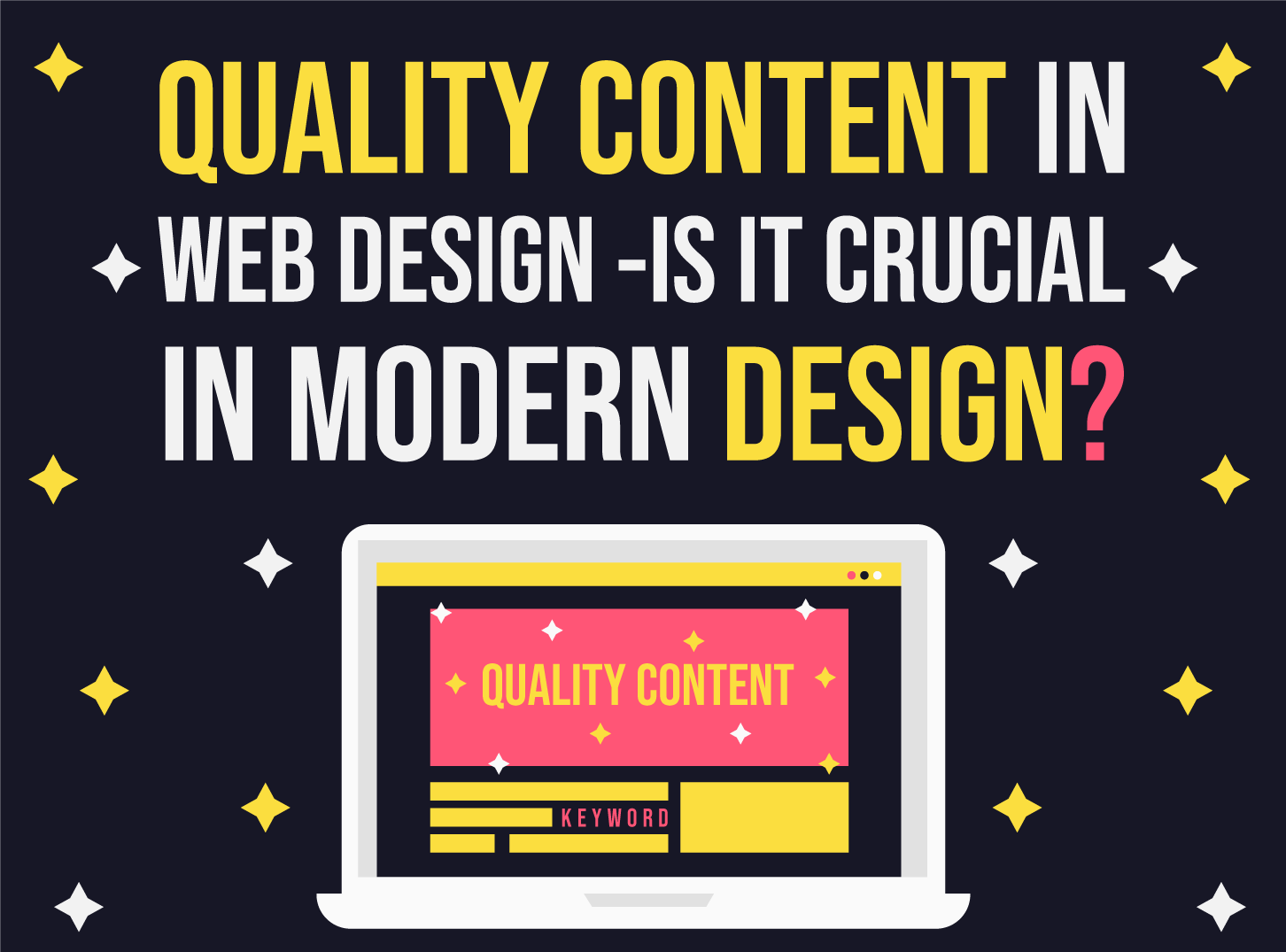
Quality content in web design is the part most projects leave too late. Designers focus on layout, colour and animation, while the real words, images and videos arrive in the last week, in the wrong format and at the wrong length. The result is a site that looks good in the mock-up and falls apart with real material.
This post explains why content should come first, how it connects to design and search, and a simple process for getting it right. If you build sites for clients, it will save you a lot of rework.
Design and content are different jobs
Content is what a site says: words, photos, video, audio and data. Design is how that material is presented and how it makes people feel. Clients, and sometimes designers, mix the two up, so it is not clear where the designer’s job ends.
Most designers do not write copy or produce video, and most clients do not realise they need to. This is fine if someone is clearly responsible. Trouble starts when nobody is. Agree early who writes, who supplies images and who approves, and put it in the project plan.
Why quality content matters
Visitors come for the content
People visit a site to find something out, compare options or buy. Design makes that easier, but it cannot replace an answer. Pages with vague or thin copy lose visitors however good they look.
It supports search rankings
Google aims to show people helpful, reliable content written for people, not for search engines. Its own guidance on creating helpful, people-first content is worth reading before any project. Google can also render a page, so layout, speed and mobile usability count as well as the text. Content and design work together, and our web design tips for SEO show how.
It builds credibility
People trust those who seem to know their subject. Clear explanations, specific examples and honest answers show that you do. Vague claims and generic phrases do the opposite.
It tells the story of the brand
Words and images carry your voice and values. A strong site makes the same promise in the headline, the photos and the button text, which links to the ideas in brand perception.
Why design still matters
None of this means design is secondary. A visitor decides quickly whether a page looks credible and easy to use, and good design makes content easier to scan and act on. Use visual hierarchy, spacing and readable type to guide the eye, and follow current design trends only when they help the message.
The best sites need both. Great copy on a messy page is hard to read. A beautiful page with weak copy gives people no reason to stay.
Why content should come first
When you design around real content, the layout fits the material instead of the other way round. Placeholder text such as lorem ipsum hides problems. A headline that is three times longer than the mock-up, a missing image or a product description with nine bullet points will break a layout that looked perfect.
Starting with content also shapes the structure of the site. Once you know what you have to say, grouping it into pages is much easier, and the sitemap and navigation follow naturally. See our guides to website navigation and wireframes.
A content-first process
- Set the goals. What should the site achieve, and for whom?
- Audit what exists. List current pages, images and documents. Note what is missing, outdated or unclear.
- Plan the structure. Group the content into pages and draw a simple sitemap.
- Write or collect the real content. Get at least the headlines, key paragraphs and main images before design starts.
- Wireframe with real text. Test the layout with actual copy and see where it breaks.
- Design and refine. Add colour, type and imagery, then adjust the content again where the design shows a problem.
- Review before launch. Read every page on a phone and check headings, links and images.
This fits into any web design process. If you are updating an existing site, the same steps apply to a website redesign.
The cost of ignoring this is real. Late content means rework, missed launch dates and a site that is padded with filler so the layout does not look empty. Getting content in early is one of the cheapest ways to improve a project.
What makes content good
- It answers a real question. Know what the reader wants before you write.
- It is easy to scan. Use clear headings, short paragraphs and lists where they help.
- It is specific. Names, numbers you can verify, examples and photos of real work beat general claims.
- It is honest and current. Remove old offers and out-of-date information.
- It has a next step. Each page should lead somewhere, with a clear button or link.
- It is accessible. Use real headings, meaningful link text and alt text for images.
A simple example
Imagine a website for a plumbing company. In the mock-up, the services page shows three cards with two lines of text each. The real content has nine services, each with a short description, an area covered and a call-out fee. A design built for three cards now needs a different layout, and someone must decide what to cut.
If the team had gathered the real list first, the designer would have chosen a scannable grid or an expandable list from the start. The same applies to team bios, product descriptions, prices and testimonials. Real content is rarely as neat as placeholder text, and it is better to find that out in week one.
Content to plan for every site
- Core pages: home, about, services or products, contact.
- Proof: case studies, reviews, logos of clients and certifications.
- Visuals: photos, illustrations and video that match the brand.
- Helpful extras: FAQs, guides and a blog that answer real questions.
- Small text: button labels, form messages, error messages and 404 pages. These are content too, and they are often forgotten.
Frequently asked questions
Should content or design come first?
Content first. You do not need the final copy, but you need the real structure, headlines and key messages so the design can be shaped around them.
Who is responsible for website content?
It should be agreed at the start. Often the client provides the facts, a copywriter writes the text and the designer presents it. If a designer writes the copy, include it in the scope and the price.
Does quality content help SEO?
Yes. Google recommends helpful, people-first content, and pages that answer a question clearly are more likely to be found and shared. Good design, fast loading and mobile usability support it.
Can I design with placeholder text?
For a first layout, yes, but test with real copy as soon as you have it. Placeholder text hides length problems and makes a design look better than it will in use.
Need a site built around real content for a client?
Inkyy is a white label design and development team for agencies. We plan structure and layout around your client’s content, then design and build it under your brand. See our design services, look at development or book a 15-minute call.