Landscaping Website Design: 5 Ways to Win More Clients
If you own a landscaping business, and you don't have a modern and elegant website, you are lacking in your online visibility. Jump on the Inkyy Express and take off to the highest levels of online world.
 6 min read

Good landscaping website design works like good landscape design: it starts with how people will move through the space. A homeowner arrives with a question, such as “Who can redo my garden this spring?”, and the site should lead them to the answer and then to your phone number or quote form without any wrong turns.
Landscaping is a visual, local trade with plenty of competition, from one-person crews to large commercial firms. This guide shows how a landscaping business can use its website, portfolio, logo, advertising, targeting and local search to stand out. It ends with a checklist and answers to common questions, and it works just as well for agencies building sites for landscapers.

Why landscaping companies need a modern website
People who need a landscaper almost always search online first. They look at photos, compare a few companies and then request a quote. A site that is slow, cluttered or hard to use on a phone loses those people before you ever hear from them. A clear, well-built site does the opposite: it shows your standard of work and makes it simple to get in touch.
You already have a business to run and crews to manage, so it is worth deciding what the site must achieve before spending money. For most landscapers the answer is simple: more quote requests from the right kind of customer, in the area you serve.
5 ways to market a landscaping business online
1. Build a website that works as a portfolio
Your website is your showroom. It should state who you are, which services you offer and where you work. Typical services include garden design, lawn care, patios and paving, planting, tree work and seasonal maintenance. List only the ones you really do, and give each one a short page.
The portfolio is the most persuasive part. Choose your best projects and show them well, with large photos, a short description and, where possible, a before-and-after. Add testimonials from past clients with their permission, and update the gallery regularly so it reflects your latest work.
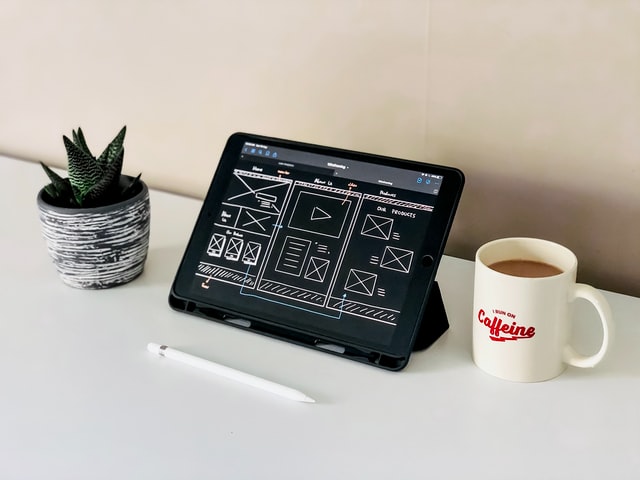
Planning the layout before design saves time and money. A simple wireframe shows where the gallery, services and contact options go before anyone picks colours. Photos matter most on a landscaping site, so read our notes on choosing a hero image.
2. Make your business easy to recognise
People remember landscapers by what they see: the logo on a van, a sign on a job site, the name on a fence board. Before you spend on marketing, make sure you have a clean logo that works on a website, a truck door and a work shirt.
A simple mark and a limited colour palette, usually green with one neutral, are easier to reproduce than a detailed illustration. Use the same logo, colours and fonts everywhere. Our guide to visual brand identity explains the basics, and four logo variations every business should have will help with small and large uses.
3. Start advertising before the busy season
In most places the landscaping season runs from spring to autumn. Many customers book weeks before the first mowing or planting job, so waiting until the season starts means competitors get the contracts first. Start in late winter with these steps:
- Update photos and the portfolio with last season’s best projects.
- Email or message past customers with a short offer for the new season.
- Run local ads with a clear message and a link to a specific page, not just the home page.
- Check that your Google Business Profile has current hours and photos.
- Prepare seasonal social media posts, such as spring clean-ups and patio ideas.
Ads and posts need to look good, so use consistent templates and simple layouts. If you need design help, our guide to lines in graphic design is a good primer, and you can ask a team like Inkyy to prepare the artwork.
4. Know your ideal customer
You cannot serve everyone, so start with a small, well-defined group. Look at the local market, see which jobs bring the best margins and decide which customers you want more of. Common groups include:
- Homeowners who lack the time or skills to keep a garden in good shape.
- New owners who want to improve a property quickly.
- Owners preparing to sell who want better kerb appeal.
- Property managers, developers and builders who need repeat commercial work.
Write your site for those people. A page for homeowners should talk about maintenance plans and design. A page for developers should talk about scale, scheduling and insurance. If you serve both, give each group its own page.
5. Invest in local SEO
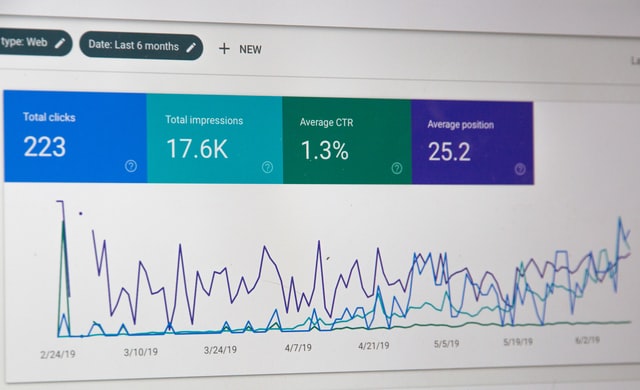
Search engine optimisation brings people who are already looking for landscapers to your website. For a local trade, focus on a few things: a complete Google Business Profile, a page for each service, a page or section for each area you cover, and reviews from real customers. Tools such as Google Search Console, shown above, tell you which searches bring visitors and which pages need work.
Our post on web design tips that help SEO covers the technical side, and quality content explains why useful pages beat thin ones. SEO takes months, so start early.
Common mistakes on landscaping websites
- Poor photos. Dark or blurry shots undersell good work. Photograph jobs in good light, and show the whole space as well as details.
- Too many services. A page that lists every possible job looks unfocused. Lead with the work you want more of.
- No clear next step. Every page should end with a button or form to request a quote.
- Heavy images. Large uncompressed photos slow the site down, especially on mobile data. Compress them before upload.
- No updates. A gallery that stops at an old season suggests the business has stopped too. See our list of web design mistakes for more to avoid.
Landscaping website checklist
- A clear headline with your service and area on the home page.
- A phone number and quote form on every page, easy to use on mobile.
- Separate pages for each main service.
- A portfolio with large, well-lit photos and short descriptions.
- Reviews and testimonials with permission.
- A logo and colours used consistently.
- Service-area details and a Google Business Profile that match.
- Fast loading images and a mobile-first layout.
- A seasonal update plan: new photos and offers before each busy period.
If you serve other trades too, you may find our articles on plumbing business websites and moving company websites useful. They share many of the same principles. You can also read about small business web design or browse our design services.
Frequently asked questions
What should a landscaping website include?
A clear home page, service pages, a portfolio, testimonials, an About page, service-area information and an easy way to request a quote. A blog with seasonal tips helps with search, but only if you update it.
How do landscapers get more customers online?
Combine a good website with a Google Business Profile, local SEO, reviews and seasonal advertising. Many landscapers also get steady work from referrals, so make it easy for happy clients to share your site.
When should a landscaping business start marketing?
Before the season starts. Late winter is a good time to refresh the site, update photos and contact past customers, because many people book early.
Do I need a logo for my landscaping company?
Yes. Your logo appears on your site, vehicles, uniforms, invoices and signs, so it needs to be simple and work at different sizes. A professional logo also helps new customers trust a young business.
Need a website for a landscaping client?
Inkyy is a white label design and development team for agencies. We design and build websites, logos and brand identities for landscapers and other service businesses under your brand. See our design services and development services, or book a 15-minute call.