Brown Color Meaning: Psychology, Shades and Brown Logos
 8 min read
The brown color meaning most people agree on is reliability: earthy, honest, warm and down to earth. It is the color of soil, wood, coffee and chocolate, which is why food, outdoor, craft and logistics brands use it to say “solid and real”.
This guide explains what brown means in psychology and culture, what different shades of brown signal (with hex codes), which industries use it and why, and what famous brown logos teach. You will also find brown color pairings, the contrast rules for light browns, and the mistakes that make brown branding feel dull or dated.
What does the color brown mean?
Brown is a dark, muted orange, so it keeps some of orange’s warmth but loses its noise. On the positive side it stands for stability, honesty, comfort, nature and craft. On the negative side it can feel dull, heavy, old-fashioned or dirty, especially in flat mid browns used over large areas.
Brown is also one of the oldest colors people have used. Earth pigments such as ochre appear in prehistoric cave paintings, and umber and sienna stayed on painters’ palettes for centuries. Because these pigments came straight from the ground, they were cheap. That gave brown a humble, everyday character that it still carries today.
What research says about brown
Brown is studied less than red or blue, so treat confident claims with care. A study across 30 nations by Jonauskaite and colleagues found that many color and emotion links are shared around the world, with local differences shaped by language and geography.
A review of color psychology by Andrew Elliot makes the wider point: context matters a lot. Brown on a coffee bag says “roasted”, while the same brown on an app can look muddy. Brown supports a message of warmth and honesty, but the rest of the design has to back it up.
Brown in different cultures
- Religious orders: Franciscan and Capuchin friars wear brown habits as a sign of humility. The word cappuccino comes from the color of the Capuchin robes.
- Public health: Australia chose a drab dark brown, Pantone 448 C, for plain cigarette packaging because it tested as unappealing. It is a useful warning about how flat brown can read.
- Design trends: Pantone named a soft brown, Mocha Mousse, its Color of the Year, a sign of how warm neutrals have come back into fashion.
To see why these associations shape how a brand is judged, read our article on the psychology behind branding.
Shades of brown and what they signal
Brown runs from pale beige to near-black espresso, and the message changes along the way. The contrast column shows how each shade works as text on white. WCAG asks for at least 4.5:1 for body text and 3:1 for large text.
| Shade | Hex | What it signals | Contrast on white |
|---|---|---|---|
| Beige | #F5F5DC | Calm, neutral, natural | 1.1:1 |
| Tan | #D2B48C | Relaxed, outdoorsy, simple | 2.0:1 |
| Caramel | #C68E17 | Sweet, warm, inviting | 2.9:1 |
| Terracotta | #E2725B | Earthy, handmade, Mediterranean | 3.1:1 |
| Sienna | #A0522D | Rustic, crafted, autumnal | 5.6:1 |
| Coffee | #6F4E37 | Rich, roasted, dependable | 7.4:1 |
| Chocolate | #7B3F00 | Indulgent, warm, confident | 8.2:1 |
| Espresso | #3C2218 | Serious, premium, grounded | 14.6:1 |
Light browns such as beige and tan feel calm and natural, so they suit interiors, skincare, linen and eco brands, but only as backgrounds. Warm mid browns like caramel and terracotta feel friendly and handmade. Dark browns feel rich and serious, which is why coffee, chocolate, leather and whisky brands use them, often with gold or cream.
Which industries use brown, and why
- Coffee, chocolate and bakeries: brown is the color of the product itself, so it says “roasted”, “baked” or “rich” before a word is read. Our roundup of restaurant logo ideas shows how often warm browns appear in food.
- Outdoor gear, workwear and leather: brown suggests toughness, wood and soil, and it hides dirt well.
- Construction, timber and real estate: brown feels solid and grounded. See our list of construction logo ideas for examples.
- Craft, vintage and heritage brands: browns and tans recall kraft paper, old labels and sepia photos. Our collection of retro and vintage logos leans on this a lot.
- Natural fibers, farming and organic products: brown links a product to the earth it came from.
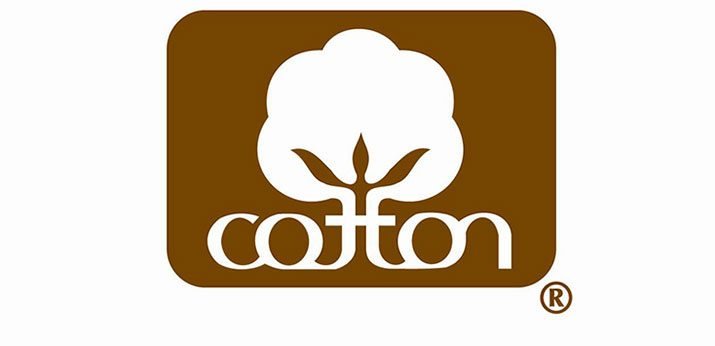
The Seal of Cotton, used by Cotton Incorporated, is a good example of brown in natural products. A white cotton boll on a brown field reads like a plant growing out of soil, and the simple shape still works on a small clothing label.
Famous brown logos and what they teach
These logos are shown as editorial examples only. Each one is a trademark of its owner.
UPS
UPS is the best-known brown brand in the world. Its trucks and uniforms use a shade called Pullman brown, picked in the company’s early days partly because a brown vehicle is easier to keep looking clean. The color became so tied to the company that its advertising asked “What can Brown do for you?”. The gold on the shield stops the dark brown from feeling heavy.
Hershey’s
The Hershey’s block logo mirrors the wrapper of its classic milk chocolate bar: tall silver letters on a deep chocolate brown. The brown says “chocolate” at a glance, and the silver adds a cool, clean contrast. It shows how a brand can use the color of its own product as its signature.
M&M’s
M&M’s uses a warm chocolate brown for its chunky wordmark, while the candies and characters bring the bright colors. That split is a smart lesson: brown anchors the brand and stays readable, and the playful colors can change from pack to pack without losing recognition.
Brown color pairings and palettes
Brown rarely works alone. It needs a lighter or brighter partner to feel alive. These pairings are a good start.
- Dark brown and gold (#351C15 + #FFB500): confident and premium, as UPS shows. About 8.9:1 contrast, so gold text on dark brown reads well.
- Chocolate and cream (#7B3F00 + #F5F0E6): warm, classic and easy to read at about 7.2:1. It suits bakeries, coffee and heritage brands.
- Espresso and terracotta (#3C2218 + #E2725B): earthy and handmade. Use terracotta for large shapes and accents, not small text.
- Brown and sage green (#4B3621 + #9CAF88): natural and calm, about 4.8:1. Popular with organic, garden and wellness brands. Our guide to green in branding covers that side.
- Tan and navy (#D2B48C + #1F2A44): outdoorsy and smart, about 7.2:1. It suits workwear, travel and menswear. See blue in branding for the navy half.
Our guide to color schemes in web design shows how to balance a palette like this across a website.
Accessibility and contrast with brown
Dark browns are easy to use accessibly. Coffee, chocolate and espresso all pass body text contrast on white with room to spare, and they are softer on the eye than pure black. The trap is the light and warm end. Tan on white is only about 2.0:1, and caramel is about 2.9:1, so both fail for text. Terracotta buttons with white text are about 3.1:1, which is fine for large text but fails for normal text. Darken to sienna (#A0522D, about 5.6:1) or darker for buttons and links.
Browns, dark reds and dark greens can look alike to people with some types of color blindness, so do not rely on a brown versus green difference alone in charts or status labels. Add labels or icons. Check every pair in the free WebAIM contrast checker.
Common mistakes with brown branding
- Muddy mid browns. Flat grayish browns look dirty, as the plain packaging example shows. Choose a brown with clear warmth or depth.
- No accent. A layout of only brown and beige can feel heavy and dated. Add gold, cream, orange, green or blue to give it life.
- Light brown text. Tan, beige and caramel fail contrast as text. See the table above.
- Brown that shifts in print. Browns can turn green, gray or red on different papers and screens. Define a Pantone match and test real prints, especially on kraft or recycled stock.
- No plan for dark mode and small sizes. A dark brown logo can vanish on a black background. Our post on logo variations explains which versions every brand needs, and our article on bad branding covers more traps like this.
Is brown right for your brand?
Brown fits brands that want to feel honest, warm, crafted or dependable: coffee, chocolate, bakeries, outdoor gear, workwear, construction, logistics and natural products. It is a harder fit for brands that need to feel fast, high-tech or youthful, unless you pair it with a bright accent.
Compare it with its neighbors before you decide. Orange is brown’s louder, brighter cousin, and red adds urgency. Yellow, green, blue, purple and pink each take a brand somewhere else. Our hub on brand colors brings the whole series together, with a step-by-step method for building a palette.
Frequently asked questions
What does the color brown mean in branding?
Brown usually signals reliability, honesty, warmth and a link to nature. Dark browns feel rich and premium, while light browns such as tan and beige feel calm, natural and relaxed.
What are the negative meanings of brown?
Brown can feel dull, heavy, old-fashioned or dirty, especially in flat grayish shades. Without an accent color, a brown brand can also look boring next to brighter competitors.
What colors go well with brown in a logo?
Gold, cream, white, orange, sage green and navy all pair well with brown. Gold and cream make dark browns feel premium, while green and blue keep them fresh.
Is brown a good color for a website?
Yes, if you choose the right shades. Dark browns make warm, readable text and buttons, and beige or cream make soft backgrounds. Avoid tan or caramel for text, because they fail contrast on white.
Can I use these logos?
No. The logos shown here are trademarks of their owners and appear only as editorial examples. Use them to study how brown works, then design something original.
Need a brown brand identity for a client?
Inkyy is a white label design and development team for agencies. Our in-house brand designers build complete identities, from logo and brand colors to guidelines, that you deliver under your own brand. See our design services or book a 15-minute call.